उलटी गिनती | काउंटर | टाइमर उपकरण!
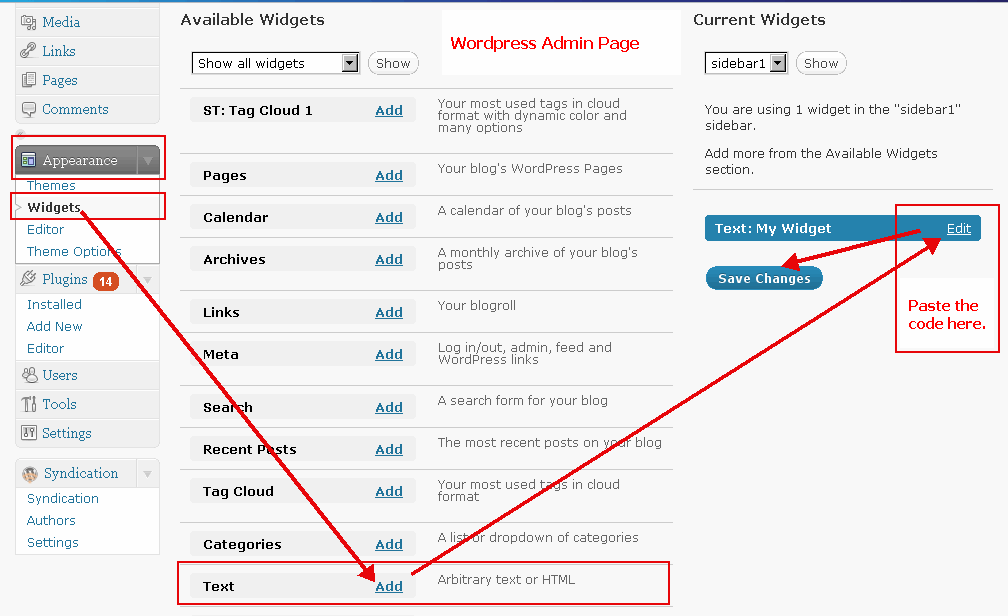
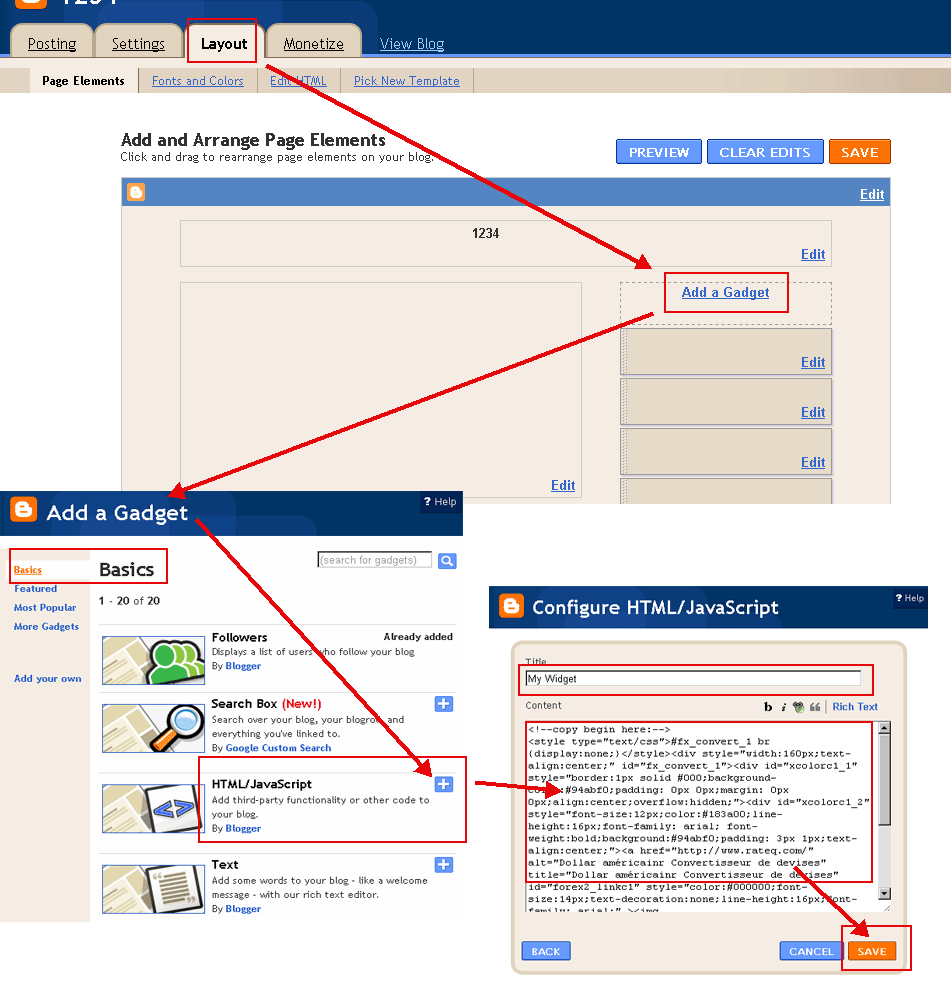
प्रेस कॉपी करें बटन और अपने ब्लॉग या वेबसाइट में पेस्ट करें.
(कृपया HTML मोड में स्विच जब अपने ब्लॉग में पोस्ट. उदाहरण: WordPress उदाहरण, ब्लॉगर उदाहरण)
AISC Table C-A-7. 1: Effective Length Factors | PDF - Scribd TABLE C-A-7 1 Approximate Values of Effective Length Factor, K - Free download as PDF File ( pdf), Text File ( txt) or read online for free The document discusses methods for determining the effective length factor (K) for columns
Column K Factor Chart — Free AISC Effective Length Use this table to select K for the six standard idealized end conditions Theoretical values assume perfectly rigid or perfectly pinned joints Recommended values account for the finite stiffness of real connections and are preferred for design screening per AISC Commentary Table C-A-7 1
K-Factor and Effective Length — Column Buckling Guide It converts a column's physical length into an effective length for buckling calculations, accounting for the rotational restraint provided by the beams and columns framing into each end A K-factor that is too low produces an unconservative design; a K-factor that is too high wastes steel
Column Panel Buckling Cheat Sheet Key takeaways • Buckling is governed by stiffness and geometry, not strength A column can buckle well below yield • Halving a panel's unsupported width or doubling its thickness raises its critical stress about 4x, because \(\sigma_{cr}\) scales with (t b)2 • Stiffening beads, ribs and flanges are the lightweight fix for sheet metal
w on t Report v6 final - aisc. org To minimize change and risk, newer local buckling cross-section classification methods could be permitted as alternatives rather than used as replacements to current w t limits so that advantages of the newer approaches can be utilized only when beneficial
AISC Local Buckling Analysis and Coefficients It evaluates local stability under various loading conditions and compares calculated local buckling coefficients to those assumed in the AISC Specification, revealing significant discrepancies